


Motivate students with collectible rewards, themed collections, and completion bonuses that cost nothing to provide.
Introduction
One of the biggest challenges educators face is keeping students engaged over time. While points, badges, and rewards can help, students often become even more invested when they have something to collect. That’s where Collectibles and Collections in Gamably come in.
Collectibles allow students to earn, discover, and gather themed digital items throughout their learning journey. As students build their collections, they work toward completing sets that can unlock additional rewards and recognition.
Best of all, digital collectibles create excitement and motivation without costing teachers, schools, or organizations anything to provide.
In this guide, you’ll learn how collectibles and collections work in Gamably, why they are effective, and how you can use them to increase engagement in your classroom or organization.
Why Students Love Collectibles
Collecting is a natural human behavior.
People collect trading cards, stamps, sports memorabilia, video game achievements, and countless other items because collecting creates a sense of progress, accomplishment, and anticipation.
Students are no different.
When students earn collectibles, they experience:
- Excitement from receiving something new
- Curiosity about what they might earn next
- Satisfaction from completing a set
- Pride in showing off their collection
- Motivation to continue participating
Unlike traditional rewards that may be spent and forgotten, collectibles often remain valuable because students keep them as part of their growing collection.
How Collectibles Work in Gamably
Gamably allows managers, teachers, schools, and organizations to create digital collectibles that students can earn through participation, achievement, or special events.
Collectibles can be awarded in many different ways, including:
- Purchasing from the store
- Purchasing from a prize pack
- Completing assignments
- Demonstrating positive behavior
- Participating in classroom activities
- Reaching learning milestones
- Attending events
- Winning competitions
- Completing challenges
- Celebrating holidays or special occasions
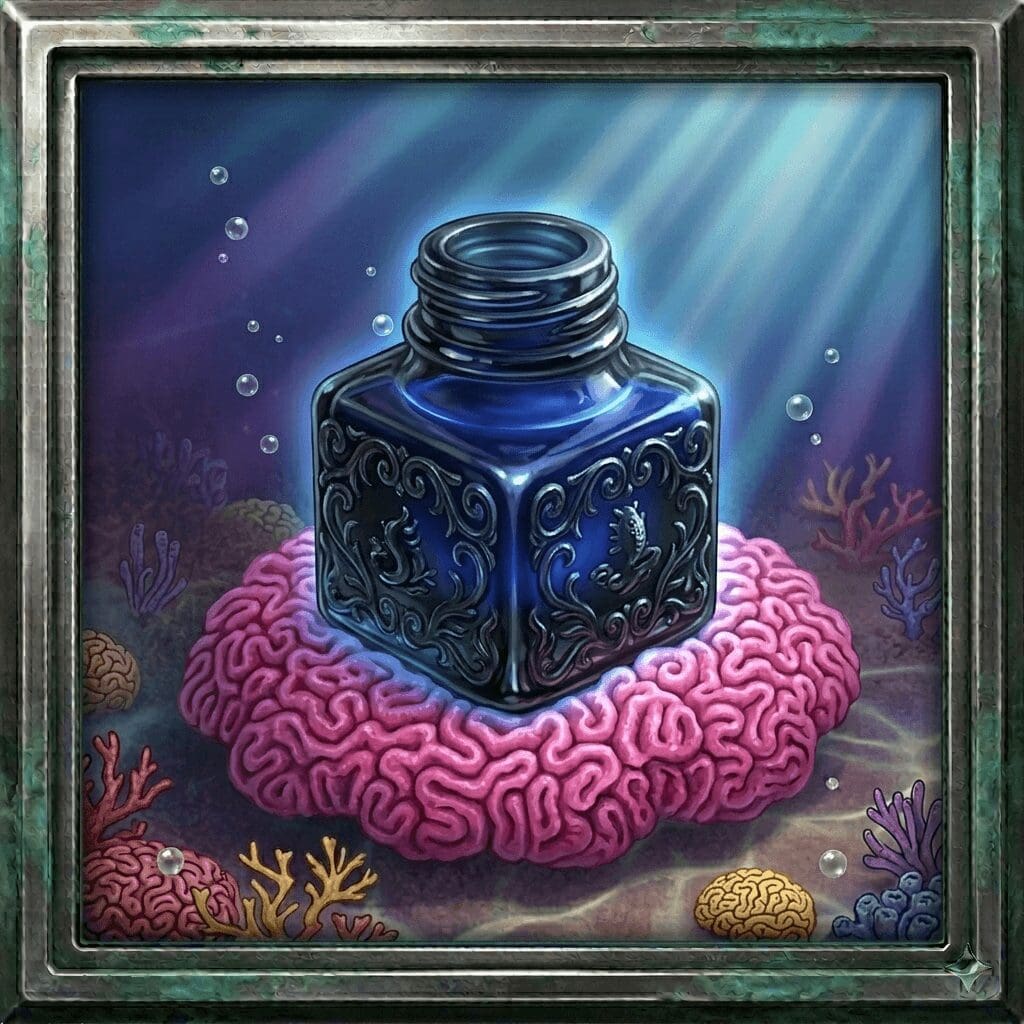
Once earned, collectibles are permanently added to a student’s collection. Managers even have the option of allowing students to sell their extra collectibles back to the store for currency if Managers want that in their game!
Creating Collections
Individual collectibles can be grouped together into themed collections.
A collection might include:
- Ocean creatures
- Historical figures
- Space exploration items
- School spirit collectibles
- Character trait series
- Science lab equipment
- Reading challenge rewards
- Seasonal or holiday collectibles
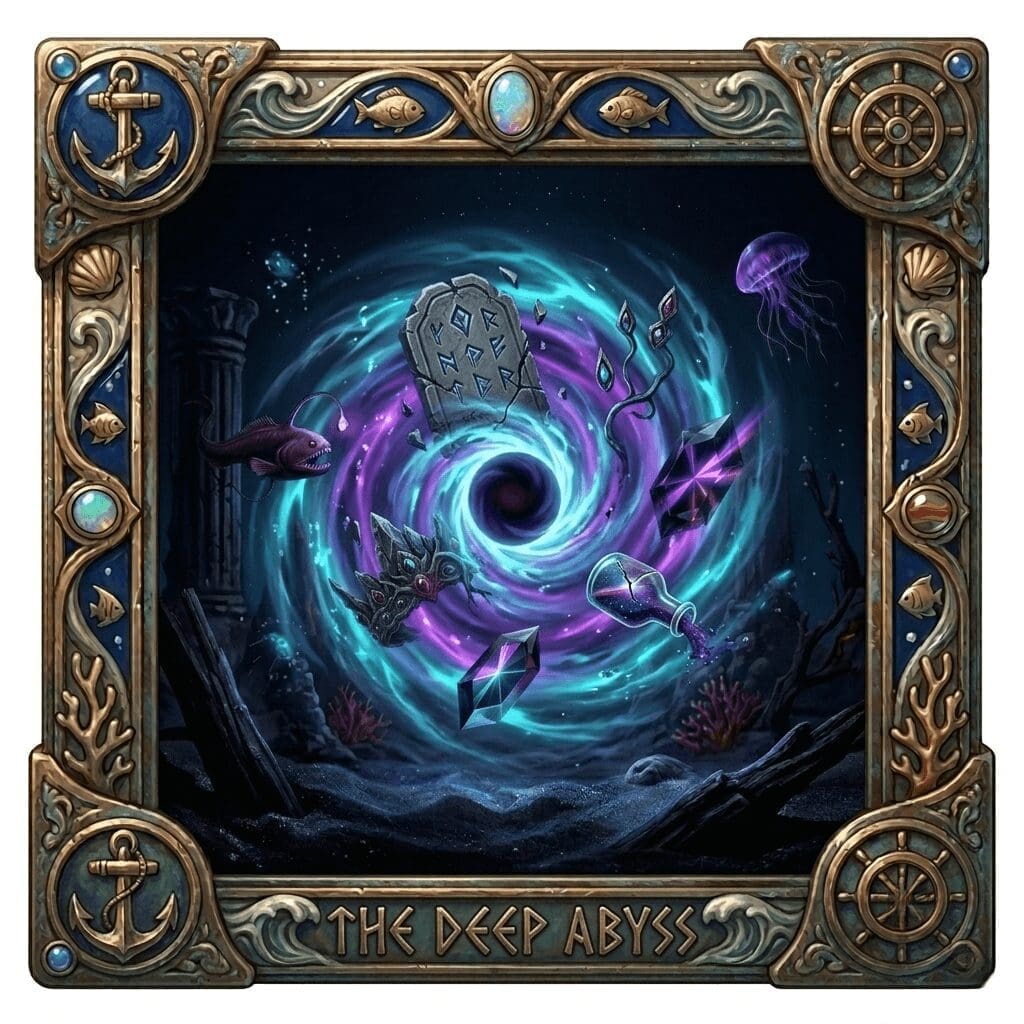
Students can view their progress and see which collectibles they still need to complete a collection. This creates an ongoing sense of purpose and encourages continued participation.
Rewarding Collection Completion
One of the most powerful features of collections is the ability to reward students for completing an entire set.
For example, when students finish a collection, they might receive:
- Currency
- XP
- Special badges
- Rare collectibles
- Recognition awards
- Classroom privileges
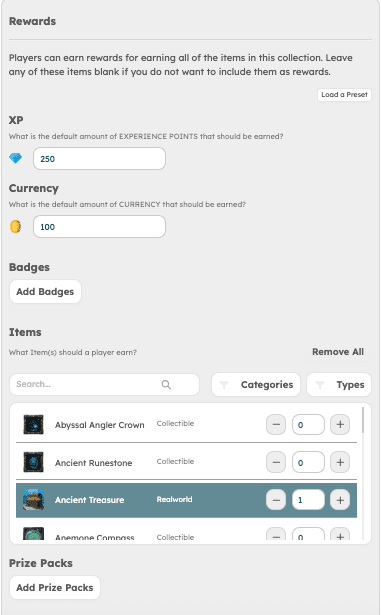
This gives students both short-term goals (earning individual collectibles) and long-term goals (completing entire collections) which helps increase engagement all year.
Classroom Ideas for Using Collectibles
The flexibility of collectibles makes them useful across many different teaching styles.
Behavior Incentives
Create collectibles tied to PBIS expectations such as:
- Respect
- Responsibility
- Kindness
- Leadership
- Teamwork
Students earn collectibles as they demonstrate positive behaviors throughout the year.
Learning Pathways
Award collectibles at key checkpoints in a unit or learning pathway.
For example:
- Chapter 1 Explorer
- Chapter 2 Navigator
- Chapter 3 Expert
- Unit Master
Students can visually track their progress through the curriculum.
Reading Challenges
Create collectible book series that students earn as they complete reading goals.
Examples include:
- Mystery Collection
- Fantasy Collection
- Biography Collection
- Historical Fiction Collection
Seasonal Events
Limited-time collectibles create excitement and urgency.
Examples include:
- Back-to-School Collection
- Winter Festival Collection
- Earth Day Collection
- End-of-Year Celebration Collection
Students enjoy collecting items they know may not return.
Why Collectibles Are Different from Traditional Rewards
Traditional rewards often disappear after they’re used.
Collectibles are different because students keep them permanently.
This creates:
- Greater emotional attachment
- Long-term engagement
- Increased participation
- Stronger completion rates
- Additional motivation without additional costs
Most importantly, collectibles allow teachers to provide meaningful rewards without purchasing prizes, candy, or physical incentives.
Best Practices for Collectibles and Collections
To maximize engagement:
- Create clear themes students understand
- Use visually appealing collectible artwork
- Mix common and rare collectibles
- Offer completion rewards for full collections
- Release new collections periodically
- Connect collectibles to meaningful achievements
- Celebrate collection completion publicly when appropriate
A well-designed collection system can remain engaging throughout an entire school year.
Common Mistakes to Avoid
Avoid these common issues when creating collections:
- Making collections too large to complete
- Offering no incentive for completion
- Releasing too many collections at once
- Giving collectibles too frequently or making it too easy to collect them
- Creating collections without a clear theme
- Making every collectible equally common
Balance and variety help keep collecting exciting.
Frequently Asked Questions
Do collectibles cost anything to distribute?
No. Digital collectibles can be awarded to students without any additional cost.
Can collectibles be part of larger reward systems?
Yes. Collectibles work alongside currency, XP, badges, stores, and other Gamably features.
Can collections have completion rewards?
Absolutely. For instance, collections can be configured to provide currency, XP, items, badges, or even collectibles themselves when students complete an entire set.
Can I create my own collectible themes?
Yes. Teachers and organizations can design collections that fit their classroom, curriculum, events, or goals.
Conclusion
Collectibles and collections add an entirely new layer of engagement to your Gamably experience. By combining the excitement of collecting with meaningful educational goals, you can motivate students, celebrate progress, and create lasting memories throughout the school year.
Similarly, whether you’re supporting PBIS initiatives, encouraging academic growth, or simply looking for a fun way to increase participation, collectibles provide a flexible, zero-cost reward system that students genuinely enjoy.
Start small, build themed collections, and watch as students become excited about earning the next piece of their collection and do it all for FREE.

View comments
+ Leave a comment